Aatma Manthan: Karma Depends on You
“Silence is where the Guru speaks.”
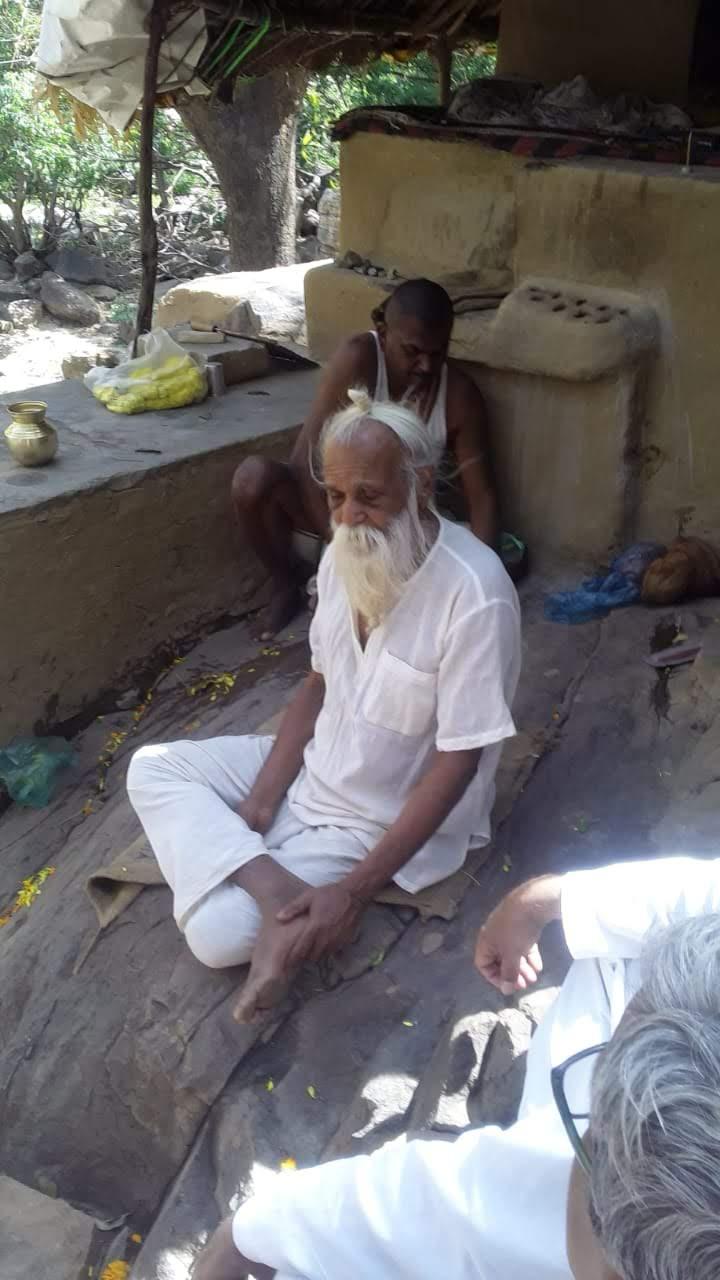
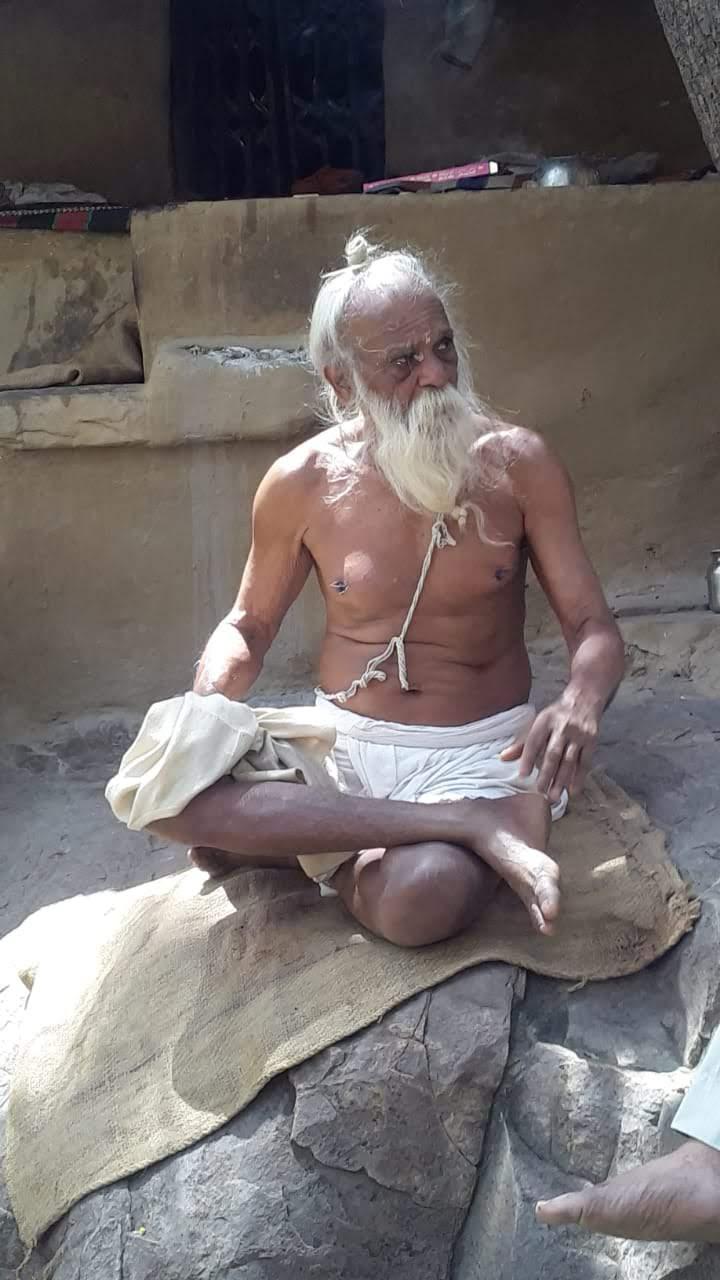
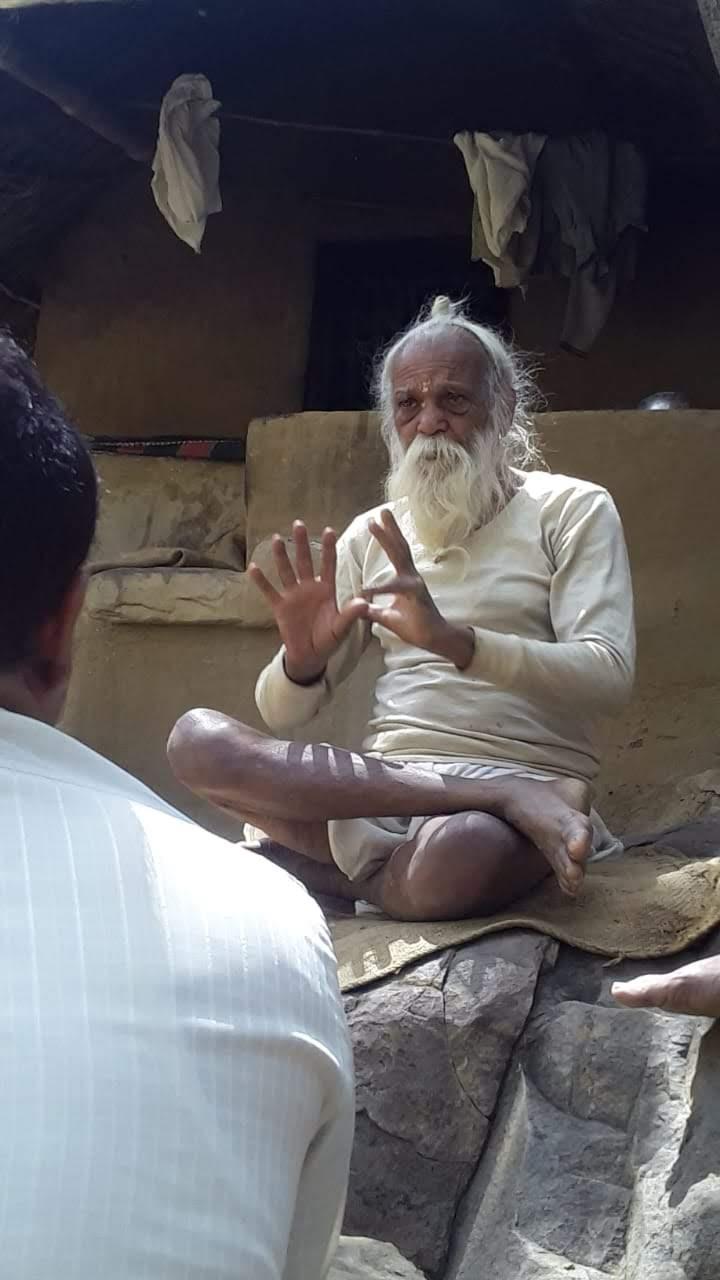
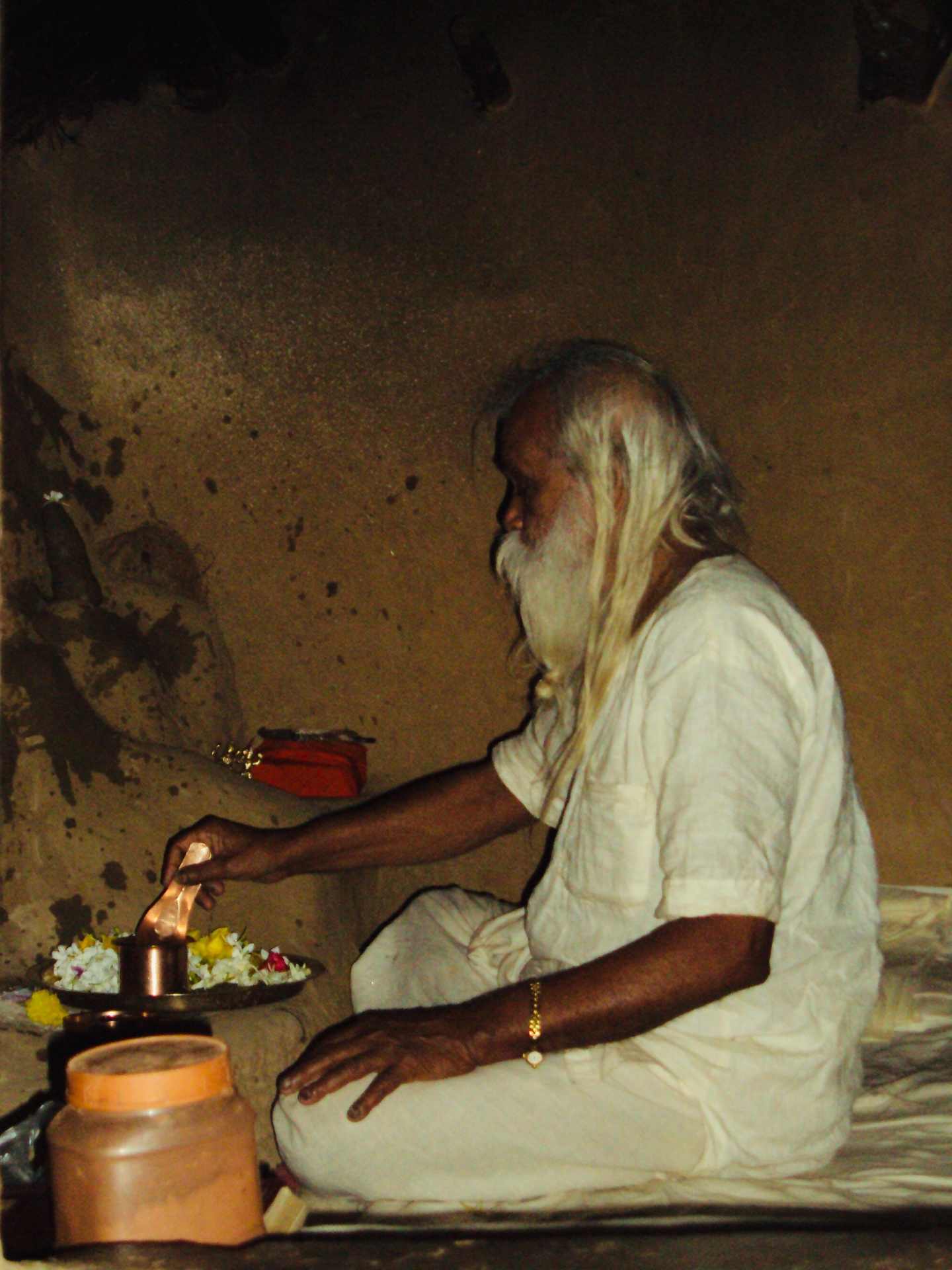
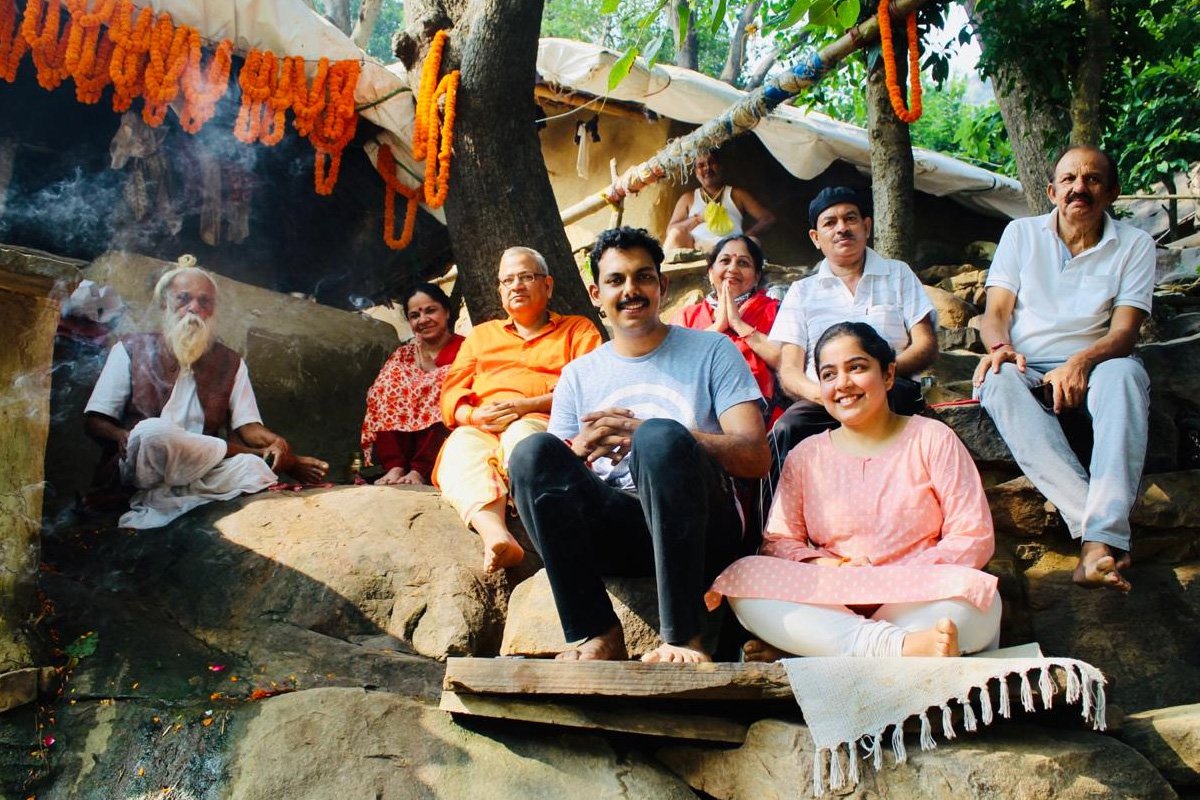
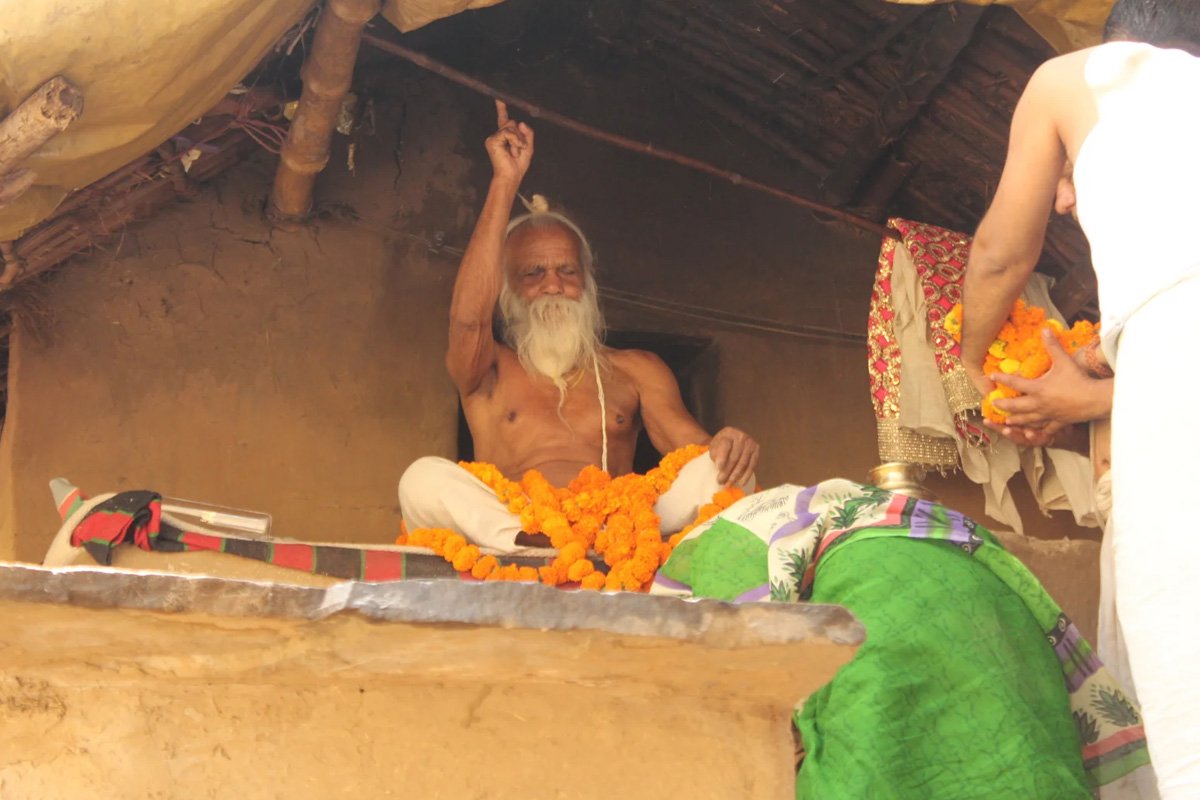
Long before the first bell of the morning aarti, the courtyard at Tapasya Ashram is already awake. A broom moves slowly across the stone. Someone lights a lamp with both hands. In that unhurried hour Bhagwan Shri would often say a single sentence and then say nothing more for the rest of the morning — and the sentence would go on working in the devotee all day.
The Churning of the Self
Aatma manthan — the churning of the self — is not introspection performed once and then filed away. It is a daily act, like the churning of curd. What rises is not new; it was always present, only dispersed. Karma, He taught, is not a punishment delivered from outside. It is the fruit of a seed our own hand has planted, and the hand that planted may also change the soil.
“Do not ask why the fruit is bitter. Ask who planted, and with what feeling.”
Feeling Before Action
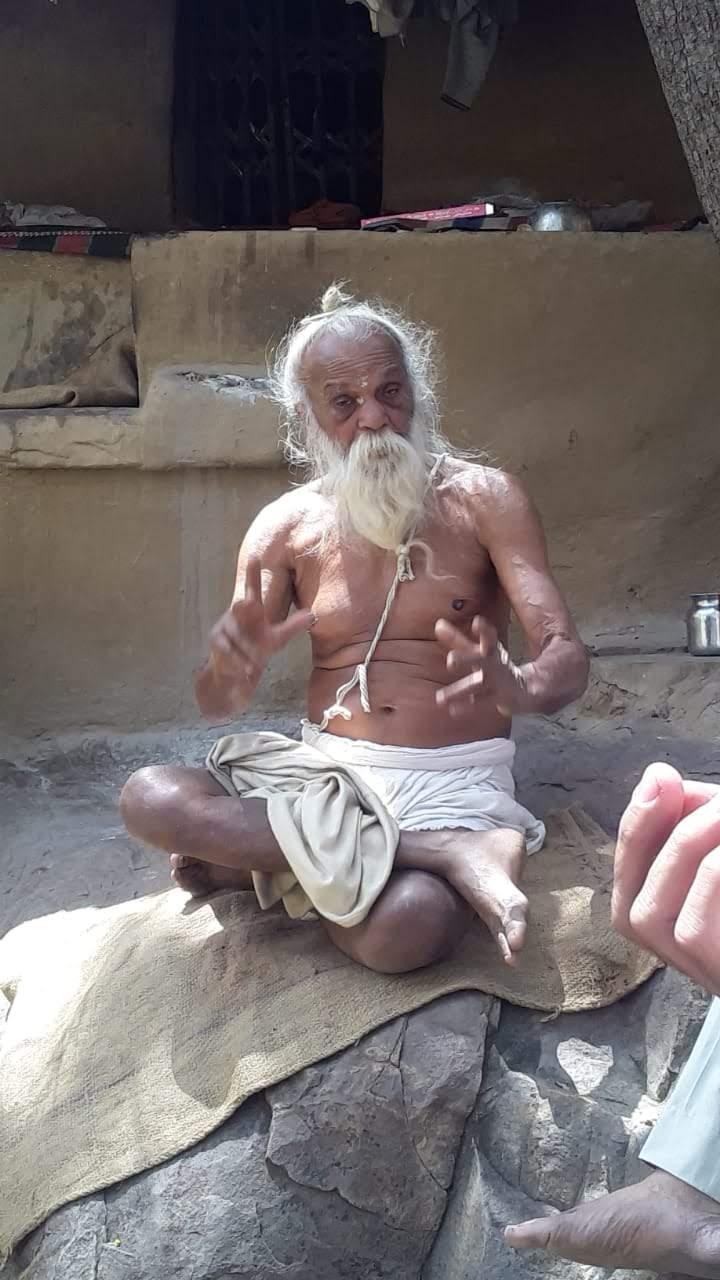
He rarely corrected an action. He corrected the feeling behind it. A devotee who gave generously but with pride was gently asked to give less and feel more. Another who served in the kitchen without a word for eleven years was never publicly praised — because praise, He said, harvests the fruit too early.
In the end the teaching is disarmingly simple. Nothing is happening to you that you have not, in some quiet way, prepared for. And nothing has to continue that you are willing to churn.
Reflection
Sit for five minutes tonight. Recall one difficulty of the day and, without blaming anyone, trace it back to the smallest choice you made. That tracing is aatma manthan.
Key Teachings
The seed does not argue with the season. It waits, and waiting is itself sadhana.
To see the Master in every face is the shortest path to His feet.
Silence is not the absence of sound but the presence of listening.
Seva performed without a witness ripens fastest within.